Community Archive Digitisation Project UK: A Practical Guide for Local Groups
A community archive digitisation project UK volunteers can realistically finish begins with a narrow scope rather than a store room full of unsorted boxes. The strongest community archive digitisation project UK groups deliver usually covers one parish, one decade, or one collection: perhaps 3,000 photographs, 40 reels of 8mm cine film, and a shelf of handwritten minute books. Scope discipline matters because costs scale almost linearly with item count — roughly 45p to £1.20 per image if outsourced, or about 90 seconds of volunteer time per item in-house. Before buying a single scanner, agree what the archive is for: family history enquiries, a school local-studies unit, a heritage trail, or a rolling exhibition. That single decision shapes resolution settings, metadata depth, annual storage costs, and how many people you need on a Saturday morning.
What Belongs in a Local Digital Archive
Start with material that answers questions residents actually ask: who lived here, what closed, what was built and when. Parish magazines, school class photographs, allotment society ledgers, carnival programmes and cine film of the annual procession all earn their place. A box of duplicate newsletters from a single decade rarely does, however tempting the shelf space feels.
Ephemera outperforms formal records for engagement almost every time. A faded flyer explaining how to run a village fete draws more comments and corrections from residents than a bound set of audited accounts ever will. Capture the everyday too: rota sheets, jumble sale posters, and typed notes describing a community fridge, how it works, and who restocked it weekly.
Record contemporary material alongside historic items. Photographs of residents starting a community garden UK charities later cited as a model will matter enormously in thirty years, as will minutes describing a neighbourhood watch scheme, how to start a street rota, and who agreed to coordinate the phone tree. Born-digital files deserve exactly the same cataloguing discipline as paper.
Equipment, Venue and Realistic Running Costs
Budget in three buckets: capture hardware, storage, and space. A workable two-station setup costs £400 to £900 including a flatbed scanner, a copy stand, a colour reference target, cotton gloves and archival sleeves. Public liability insurance and a spare portable hard drive rarely appear in first-draft budgets, yet both prove unavoidable once sessions begin running weekly.
Venue costs surprise most committees. The village hall hire cost UK booking clerks quote typically runs from £8 to £18 an hour, and a productive scanning session needs three hours minimum once setup, packing and tea are counted. Weekly sessions across a year therefore add £1,250 to £2,800, frequently the largest single line in the whole budget.
Flatbed Scanners Versus Overhead Camera Rigs
Flatbeds win on photographs, documents and negatives, delivering consistent 600 to 1200 dpi captures without operator skill. Overhead camera rigs win on bound volumes that must not be pressed flat. Groups often ask which are the best charity shops in London or the nearest market town for second-hand tripods and album storage; donated kit suits lighting and staging, but buy capture hardware new.
| Cost item | Typical UK range | Notes |
|---|---|---|
| Flatbed photo scanner | £90 to £280 | 600 to 1200 dpi, film adapter useful |
| Overhead camera rig and lighting | £180 to £600 | Essential for bound minute books |
| Village hall hire | £8 to £18 per hour | Ask about storage cupboard access |
| Drives plus cloud backup | £60 to £140 per year | Two local copies, one offsite |
| Archival sleeves and boxes | £45 to £130 | Acid-free, per 1,000 items |
| Outsourced bureau scanning | 45p to £1.20 per image | Cheaper above 5,000 items |
Recruiting Volunteers Through Existing Local Networks
Local volunteering pipelines already exist, so use them. People who have researched how to volunteer at food bank sessions, sorted stock for a lunch club, or asked how to become a school governor already understand rotas, safeguarding paperwork and DBS checks. Approach those networks before advertising cold, because conversion from an experienced volunteer base runs several times higher.
Match tasks to temperament and attention span. Batch scanning suits people who enjoy a steady two-hour shift with a podcast on. Transcription suits those who prefer working from home on their own schedule. Interviewing a coordinator about the UK food bank referral process demands a different skill set entirely, closer to oral history than to production work.
Retention depends on visible progress. Publish a simple counter — 1,840 of 3,000 images captured — and mark milestones properly with a shared cake and a short newsletter item. The habit of donating clothes to charity UK-wide demonstrates how readily people contribute when the outcome is concrete, the ask is small, and the drop-off point is genuinely convenient.
Cataloguing, Metadata and Copyright Decisions
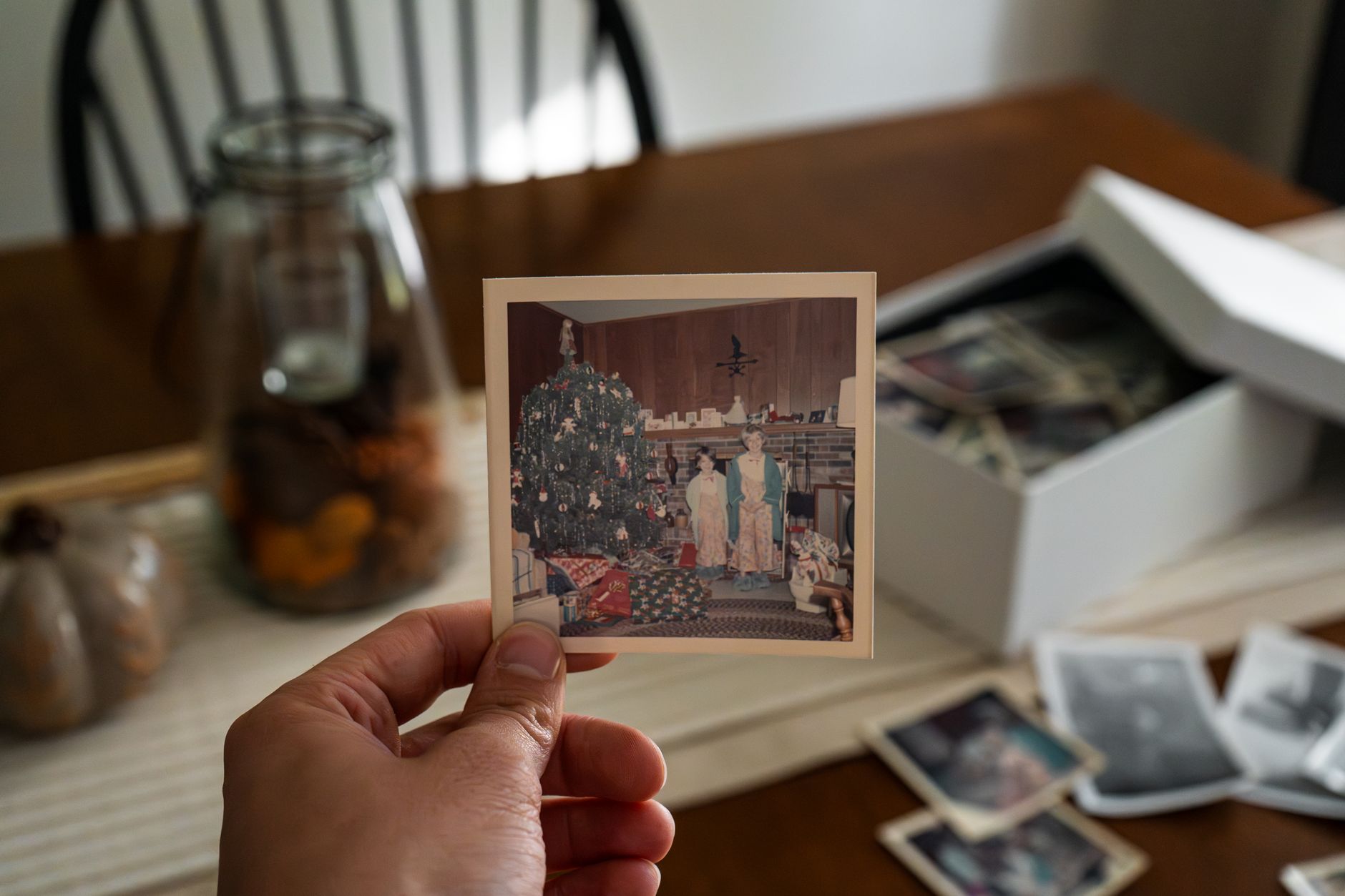
Agree eight metadata fields before scanning starts: unique reference, title, date or date range, place, people depicted, format, source or donor, and rights status. Retrofitting metadata onto 2,000 finished files costs perhaps four times what capturing it alongside the scan would have done. Use a controlled vocabulary for place names to prevent three spellings of one hamlet.
Save a preservation master as uncompressed TIFF at 600 dpi for photographs and 400 dpi for typed documents, then generate JPEG access copies at around 1,600 pixels on the long edge. File names should carry the reference, not a description: PAR-PHO-00412.tif ages far better than village_fete_maybe_1978_v2_final.jpg ever will.
Personal Data and Sensitive Records
Living individuals bring data protection duties. School registers, welfare committee minutes and medical references need a written retention decision and, in many cases, closure periods of 75 to 100 years. Record a takedown procedure and publish it. A well-run community archive digitisation project UK residents trust handles removal requests within ten working days without argument.
Funding, Governance and Long-Term Preservation
Small heritage grants of £3,000 to £10,000 fund most first phases, supplemented by parish precept contributions and local business sponsorship. Parish council meeting rules UK clerks follow mean any funding request must reach the published agenda several clear days beforehand, so plan your application timetable around meeting dates rather than around your own deadlines.
Governance determines whether grant assessors take you seriously. Many groups begin as an unincorporated association with a two-page constitution, then investigate how to set up a charity once annual income approaches £5,000. A charitable incorporated organisation limits trustee liability and unlocks funders who will not consider informal committees, at the cost of annual reporting duties.
Preservation is the phase groups underestimate. Follow the three-two-one rule: three copies, two storage media, one offsite. Budget £60 to £140 annually forever, name a successor custodian in writing, and deposit a copy with the county record office so the collection survives a committee collapse, a house move, or a failed hard drive.
How Long Does a Community Archive Digitisation Project UK Group Typically Take?
Expect twelve to twenty-four months for a first phase covering 2,000 to 4,000 items. A team of six volunteers working one three-hour session weekly captures roughly 120 to 200 photographs per session once trained, which equates to 5,000 to 8,000 items annually before holidays and hall availability intervene. Cataloguing consumes more hours than scanning, typically at a ratio of three to one, because researching names, dates and locations means consulting residents and cross-checking parish records. Bound volumes and cine film run far slower, sometimes three items per hour. Build in two months for planning, equipment testing and volunteer training before counting any production output at all.
Is Professional Equipment Necessary for Digitising a Local Collection?
No, though the gap between consumer and professional kit shows in the results. A £120 flatbed scanner produces perfectly acceptable 600 dpi captures of prints and documents, which satisfies almost every access purpose a local group has. Professional equipment earns its cost in three situations: fragile bound volumes needing an overhead rig, glass plate negatives requiring transmissive light, and collections above roughly 8,000 items where scanning speed determines whether the project finishes at all. For those, an outsourced bureau at 45p to £1.20 per image usually beats buying hardware. Whatever you choose, use a colour reference target on every session so tones stay consistent across years of work.
What Copyright Rules Apply to Digitised Community Photographs?
Copyright in a photograph normally lasts 70 years from the end of the year its creator died, which means most twentieth-century images remain protected even when the photographer is untraceable. Get a signed deposit agreement from every donor covering copying, online publication and future reuse, and record whether the donor actually owned the rights or merely the print. For orphan works, document a reasonable, dated search — local newspaper archives, family enquiries, studio records — and apply a clear takedown notice. Commercial studio portraits, newspaper images and Ordnance Survey extracts carry the highest risk. When rights are genuinely unclear, publish a low-resolution access copy and retain the master offline.